ISSW learnings and more!
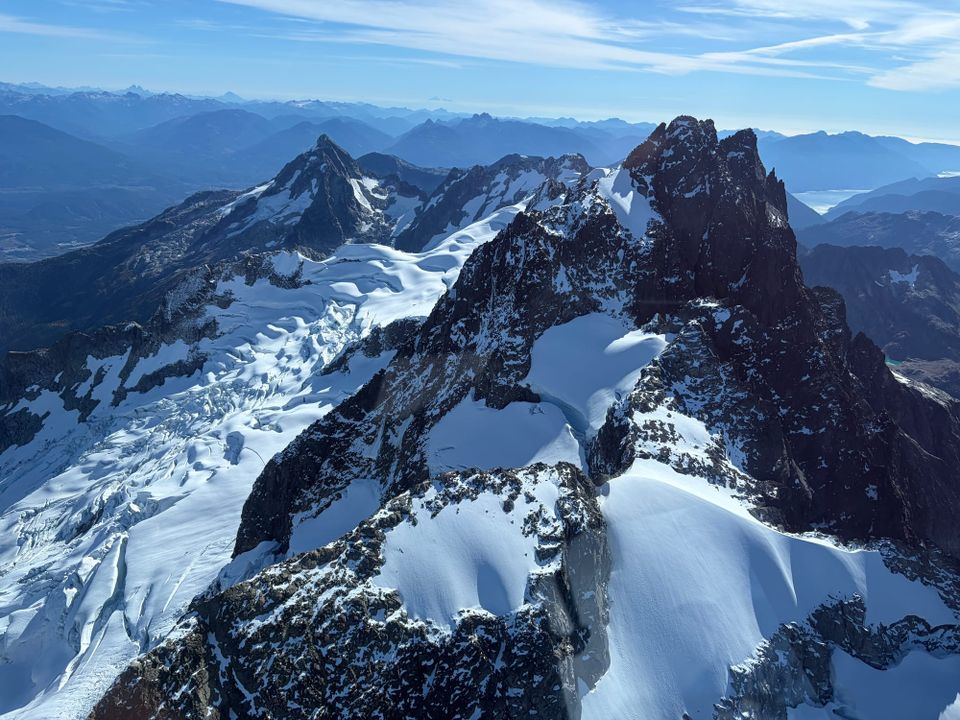
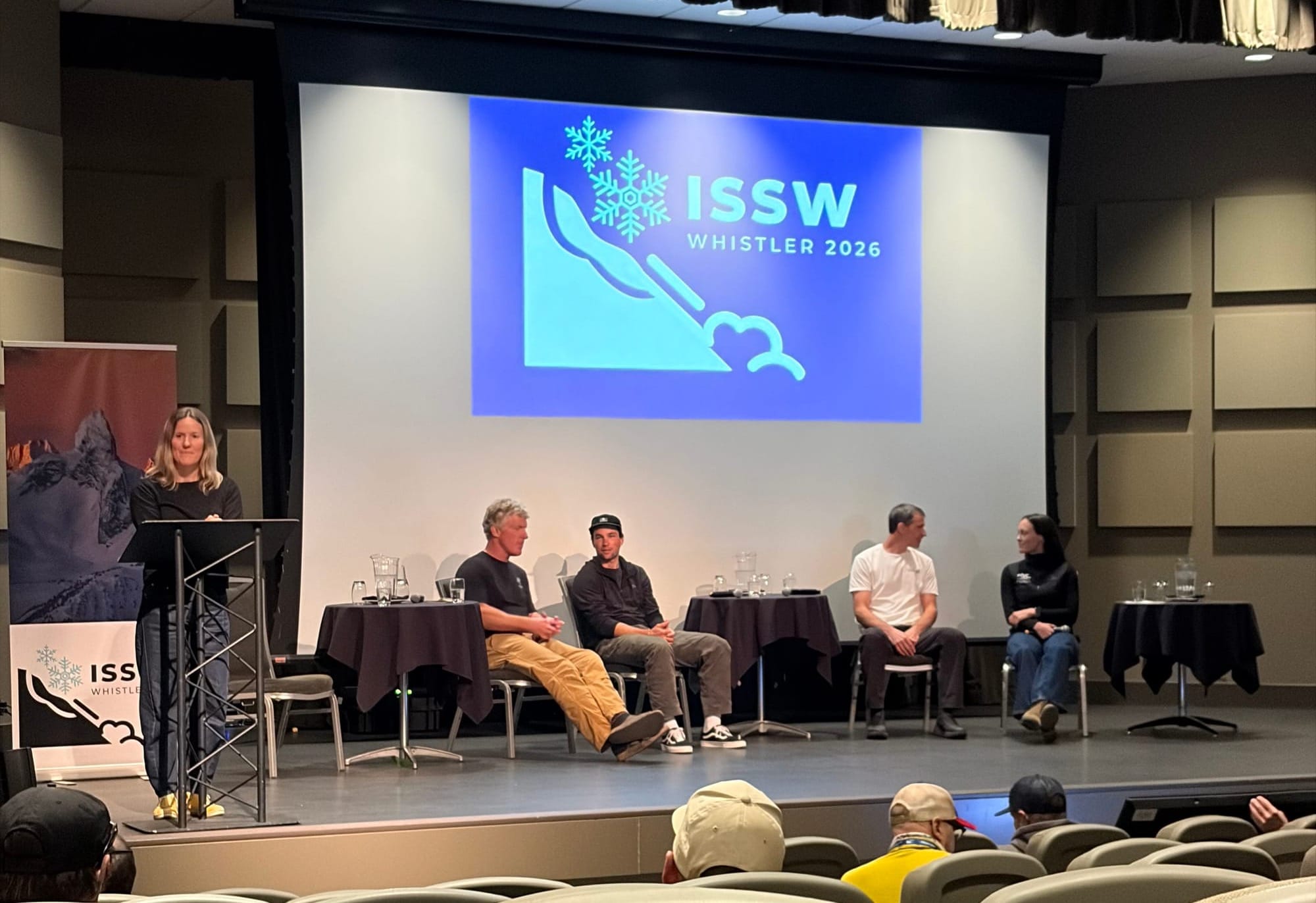
Not much to report this week on the conditions side of things. It’s been cool and a little rainy down in the valley but no new snow up high. All that snow from last week has mostly melted but did you know that last week in Whistler was the International Snow Science Workshop (ISSW)? It’s the biggest gathering of snow and avalanche professionals and was right here in the Sea to Sky! We wanted to see the latest research in the field so spent the week taking it all in.
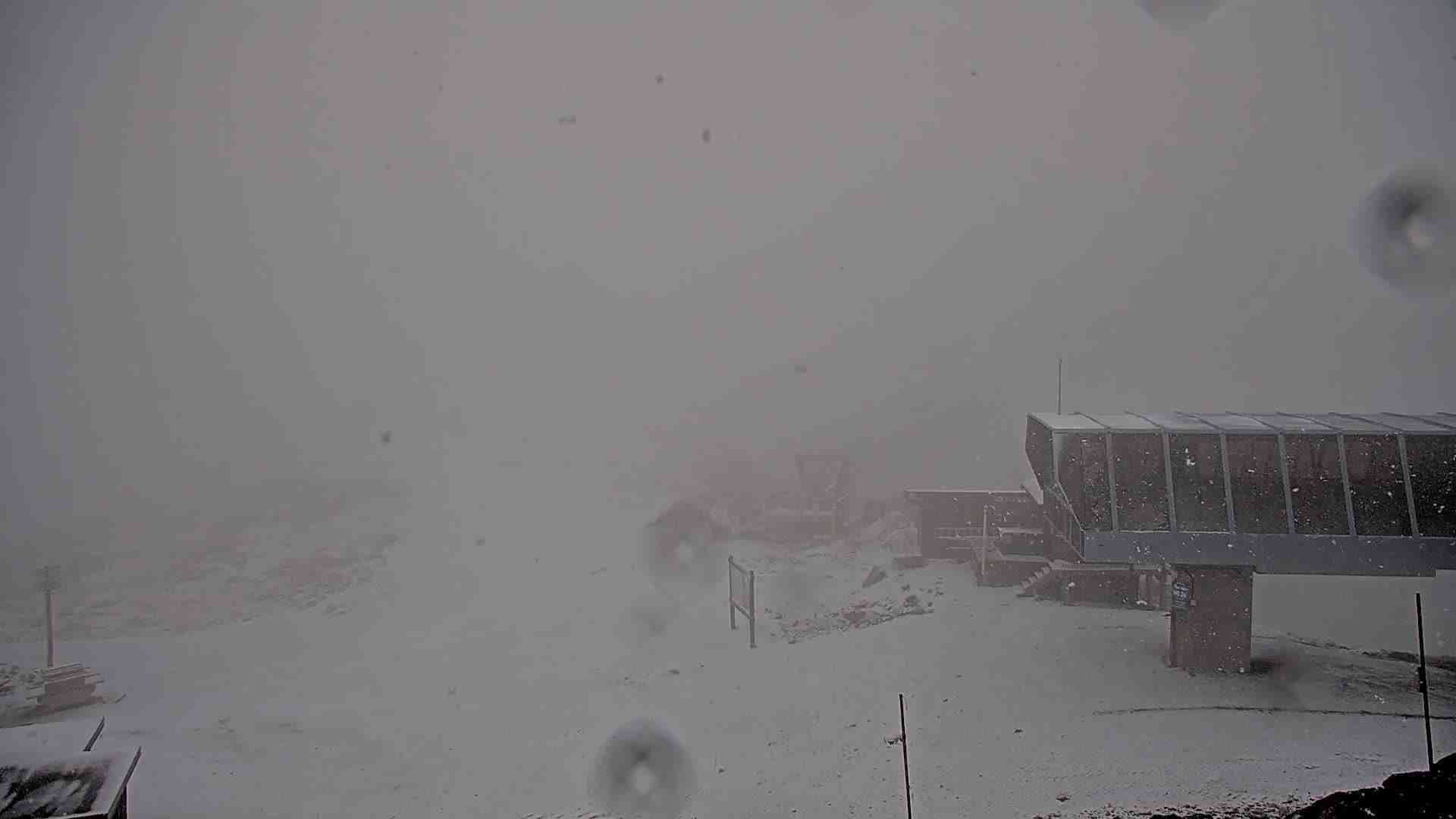
First though - we have our knowledge series evenings at Ski Uphill starting up next week (October 15!). Jen Godbout is going to talk about meal planning and fuelling on expeditions and Eric will join in for expedition strategy. Grab a ticket before they’re gone!
We’ve also nailed down our season opener party up at the Sea to Sky Gondola. We’ll be partying up at the Summit Lodge on the evening of December 3rd - SAVE THE DATE! The party will kick off our monthly snowpack talks.
Finally, Zenith courses are live and signups are coming in fast. We’ve got avalanche refreshers and more. Our Ski Mountaineering course is intended for folks who are starting to venture off the beaten path. We’ll lean into the technical side of things and learn some new skills for evaluating and entering big ski lines. Then on day two, we’ll hopefully head out and put those skills to the test on repeat in the real mountains. It’s a pretty fun two days. The first one is in the field but it’s not a big travel day so not too tiring. The second day we shoot for ~1000-1200m+ but it’s not fast paced, there’s still plenty of skill building in there.
OK - on to ISSW. Here’s Eric’s main takeaways…
- Avalanche data is sparse - in every field. Almost every study had small sample sizes. It was a big conference but we’re still small scale when it comes to science in the avalanche patch.
- Evolution, not revolution. I didn’t think much truly groundbreaking stuff was presented, but small progress in every field.
- AI is EVERYWHERE. From weather forecasts to snowpack and avalanche modelling to avalanche detection and way more. It’s becoming a part of our industry much like the rest of our lives. I already worry that it’s hard to tell what’s real and what is AI and I think that’s a concern for the avalanche industry as well. I’ll be extra skeptical of these tools and how they get incorporated into decision making.
- There are a handful of people doing intense physics and mathematics. Like really intense. I’m glad someone is doing the hard sciences but I’m glad it’s not me. It was cool to listen to these presentations but there were a lot of confused looking ski guides in the audience.
- Climate change is changing everything. We’re already getting tired of hearing how unprecedented events are happening. Even before, the mountain environment already had high uncertainty. With climate change, our baseline uncertainty should be a couple notches higher.
- All the biggest advancements at the conference seemed to be in tech. Amazing RAC systems, drone use, lidar, radar, LASERS! I have no idea how dramatically the technology will change things but it’s impressive looking. These are especially important to industry and governments but there’s potential things will trickle down to the recreational world. Probably the one we’ll see adopted in the guide/recreational environment next will be instrumented probes that can build instant snow pits.
- Specialty niche skills within our sports are developing. There was discussion around avalanche awareness and forecasting for alpinism and ski alpinism. It’s challenging to apply a large regional forecast to a specific slope or feature! The hazard might not be that helpful but looking at specific avalanche problems and applying them to the terrain is. Recent avalanche observations are another useful data point!
- Very large avalanches were a focus of discussion. In BC we have lots of strong comparisons to NZ and they are producing some interesting research. Common weather patterns were 1) moderate precip with high wind, 2) cold snow loading, 3) extreme precip. The folks from NZ also discussed the transition from rain to snow line in a coastal snowpack. We often talk in the Sea to Sky about the “magic” 1400m FL where the snowpack changes. Finally, the transition from winter to summer snowpack can often occur very abruptly (overnight) in springtime and can surprise travellers in the mountains with very-large climax avalanches. This seems to have a lot to do with the amount of water available to flow through the snowpack and how well it can drain.
- Of course there was much discussion around risk and psychology of mountain sport. A quote that jumped out at me was that mountain travel skills (and fitness) do not develop at the same time as mountain risk awareness/training. Fitness and technical skills are fun and sexy to develop but we need to spend just as much time on risk awareness.
- An interesting study looked at avalanche rescue and shallow (<.6) burials. They found that (well trained) subjects could expose the airway of a patient almost a minute faster if they skipped the probing step and went straight to shovelling. It was a small study and in well trained rescuers so maybe not applicable to everyone but interesting to note when seconds matter.
- Networking is always the cornerstone of these events. It's really cool to see the world of snow research, forecasting, patrolling, guiding, SAR, and recreation come together! If you ever find yourself in the position to attend one of these in the future (even the public day), do it!
Our next newsletter will have a deep dive into how to use alpineconditions.com. It’s our favourite weather resource at the moment.
We also have an exciting announcement that everyone will be able to use for trip planning this season. Remember, if you find these newsletters at all helpful, do us a favour and forward it to one of your touring partners and let them know to subscribe!
For more information, check out Zenith Mountain Guides and our local avalanche forecast. Weather forecasts are custom from meteorologist Jason Ross. These updates are supported by SkiUphill Squamish - the best stop for ski touring equipment in the Coast Mountains and made possible by the Sea to Sky Gondola! Use this information at your own risk. Conditions change rapidly from when this report was written!
Member discussion